By Jean Andrews
Jean F. Andrews is a Reading Specialist and Professor Emerita in the Department of Deaf Studies/Deaf Education at Lamar University, Beaumont, TX. She writes academic journal articles and chapters and co-authored six textbooks on Deaf culture, psychosocial aspects, deaf bilingualism, forensic issues, and language and literacy for deaf and hard-of-hearing individuals. She thoroughly understands the legal challenges of individuals who cannot traditionally communicate with law enforcement. Her recent academic co-authored book is Literacy and Deaf Education: Toward a Global Understanding. She also writes children’s books and has recently co-authored The Great Egret Family on the Lake. She and her husband live in Beaumont, Texas.
Many Deaf believe that CIs limit their child’s ability to learn Sign, and excludes them from the culture. Others believe that CI technology helps to mainstream the children. This is the debate in the Deaf community now.
Cochlear Implants (CIs) evoke a wide range of feelings, from support to skepticism to opposition. Considered a “medical marvel” by professionals who dedicate their lives to the science of speech and hearing, to others, the CIs deprive deaf children of their language and culture. I would go further and say that when used alone, CIs shut them out of their hearing world, depriving them of a support system when life deals them challenges.
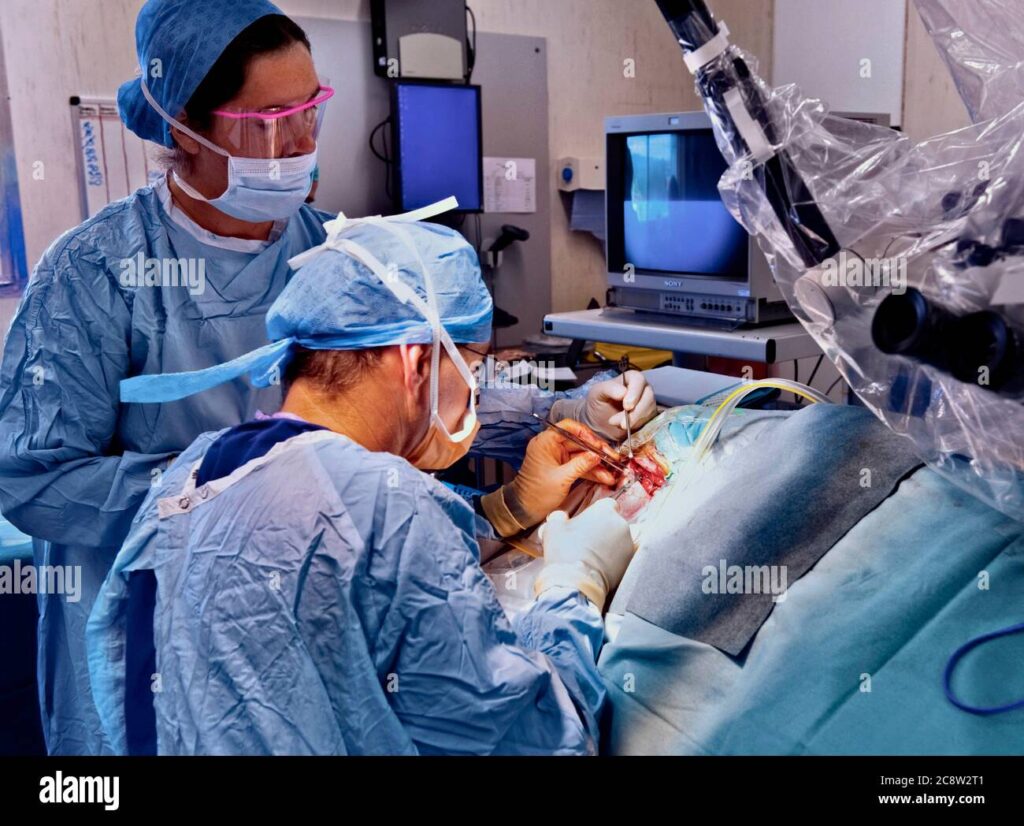
As a standard of audiological care, some hearing-health professionals create unrealistic expectations by making exaggerated promises of full hearing restoration. A Deaf writer once called YouTube videos of parents breaking down in tears when they hear their young deaf children utter their first sounds after the CI is activated, Inspirational Porn, a term used in disability studies, highlighting a disabled person doing something ordinary to make non-disabled persons feel uplifted or inspired.
While studies show that spoken language articulation improves with CIs, research demonstrates that CIs don’t cure deafness. It takes years of tedious and arduous speech and listening training for a young child who would rather be outside playing. Moreover, families often must pay high costs for CI repairs, parts replacements, and, in many cases, additional surgeries. And as the child grows older, many will still have delayed literacy, academic, and social outcomes.
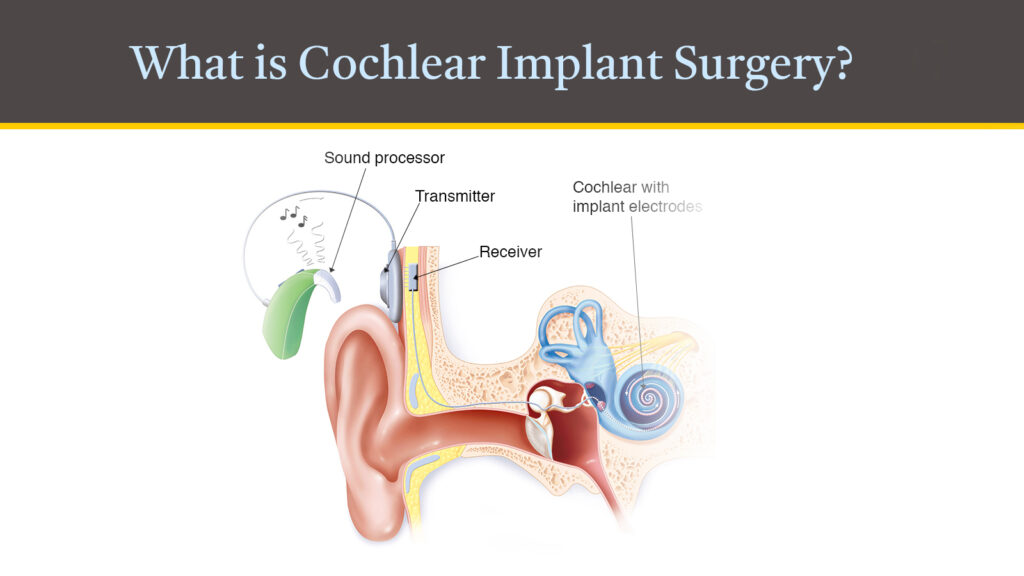
While the goal is to integrate the deaf child into hearing society, CIs don’t address the broader issue of language deprivation imposed by deafness from birth onward, limiting their ability to participate in both hearing and Deaf worlds. In short, CIs, when used alone, do not level the hearing playing field, but adding sign language provides early access to learning. So, let’s give them both. Let’s go bimodal bilingual.

Editor’s Note: Johnnie Calderone was born deaf in one ear and about fifty percent deaf in the other. When he was a young man, he underwent an experimental surgery that fully restored his hearing in his deaf ear. Sadly, the surgery failed during his recovery. When he returned to the doctor who had performed it, the doctor told him that, because of its experimental status, the procedure was no longer permitted. However, the failed surgery did not affect his hearing in his good ear.
Later on in life, he opted for CI implantation in both ears. Even growing up Deaf, Johnnie had a lifelong love for music, which he could hear well enough to enjoy. He didn’t like the way the implant made things sound, especially music, so he stopped using it. However, the CI had cost him what natural hearing he had. Johnnie is now fully deaf in both ears.
On the other hand, several members of my ASL group—https://www.meetup.com/bostonareaasl events/312678753—have CIs and are quite happy with them.
~BitcoDavid
Comments are closed